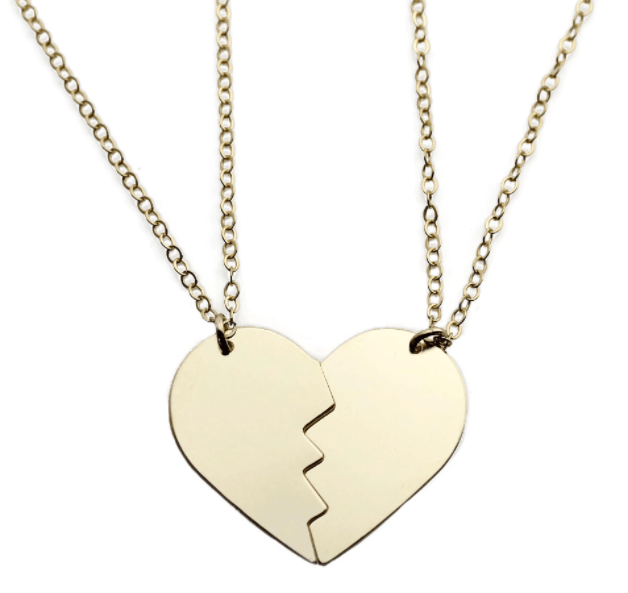
Francine Prose said “I’ve always found that the better the book I’m reading, the smarter I feel, or, at least, the more able I am to imagine that I might, someday, become smarter” (Prose, 9). This is very important for every reader to maintain as a fundamental truth of reading, because the very fact that one holds and reads the book means s/he—the reader—is smart, and/or can and will become smarter. S/he is enough. My favorite of the three Amber Sparks stories I read was And the World Was Crowded with Things That Meant Love, because it showcases a long-distance relationship that was not long-distance at all; both lovers bonded over their love of travel, and always had each other in mind, even when on opposite sides of Planet Earth. I liked the line “He caught her yawning while a blonde in pigtails murdered The Blue Danube, and they exchanged grins” (Sparks, 59), because it provides a proverbial interpretive “fork in the road”: “murder” in the performance connotation can be for better or for worse. Depending on which path The Blue Danube took here, the two lovers could smile at each other in agreement over how majestically the “blonde in pigtails” performed, or how thoroughly she butchered the piece. Whatever about the performance they agreed on was enough for them to progress, because “[after] drinks and dinner they were delighted to find they shared a hobby: both were sculptors of sorts, though she worked in clay and he worked in wood. Both had jobs that sent them round the world, and it was a way to kill the long, late hours that haunt the solitary traveler” (Sparks, 59). “A locket severed and the halves hung round the neck of the world they would cross many times over the years, always looking for one another” (Sparks, 59) is not only a nod to the lovers’ artistry but also a poetically-eloquent way to describe a blossoming long-distance love. I was also fond of the passage “The pigtailed pianist. A drawer at the nape of her neck, with a little heart inside. A paper heart, coin-sized and inked in scarlet. He kept it in his pocket until it fell to pieces” (Sparks, 60) because it demonstrates that, whether they thought the girl’s performance was awful or magnificent, they owe her a debt of gratitude for helping them find each other. “No one on the hotel staff could tell if the hand was giving or receiving—or if it was beckoning something or someone to finally come home” is a poetic sendoff, because perhaps the wood-sculptor sensed that the clay-sculptor died hundreds of miles away, so he carved a wooden likeness of her hand, either to hold in his own hand or to strangle himself, so they could, even in some small way, ascend to heaven together. Poetic eloquence and dual interpretations seem to identify Amber Sparks’s work.
Reference List:
Prose, F. (2007). Reading Like a Writer. HarperCollins Publishers. Sparks, A. (2016). The Unfinished World: And Other Stories. Liveright Publishing Corporation.

 Mosaic Ponderings